
As we age, maintaining balance and stability becomes more crucial for avoiding falls and injuries. Falls are a leading cause of disability and hospitalization among older adults, often resulting in long-term physical, psychological, and social consequences.
One of the most overlooked yet essential components of balance and fall prevention is posture. The alignment of the body plays a significant role in how we distribute weight, maintain equilibrium, and move through space. In this post, we’ll explore the connection between posture and balance, how good posture can prevent falls, and how improving alignment can enhance overall stability.
The Importance of Posture
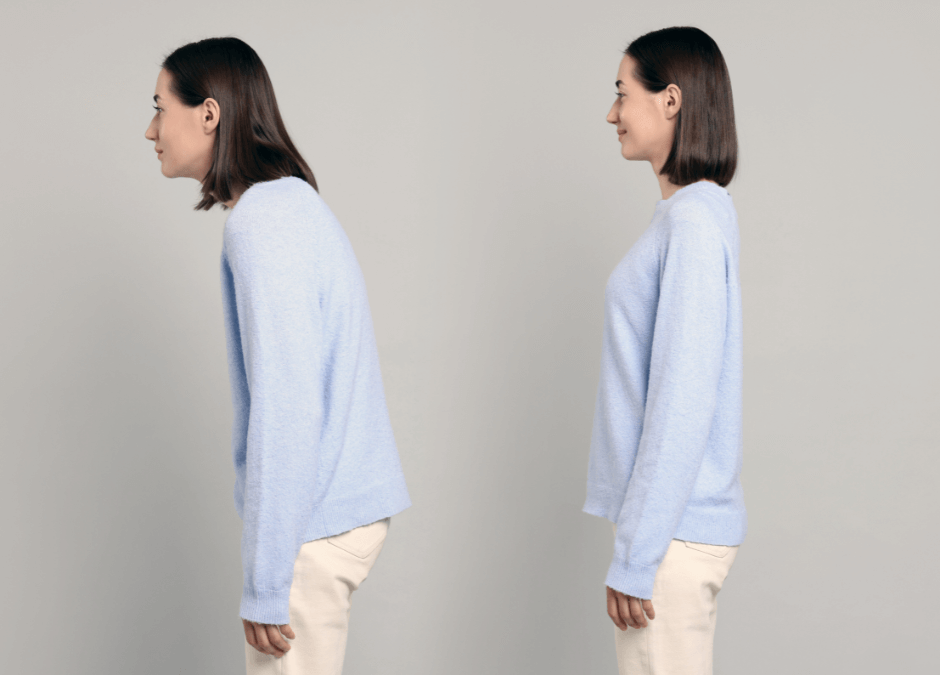
Posture refers to the way in which the body holds itself when sitting, standing, or moving. Proper posture involves maintaining alignment in the spine and joints, which supports the body’s natural curves and allows for efficient movement. Conversely, poor posture—such as slouching, hunching, or misaligning the spine—can lead to muscle imbalances, joint strain, and even nerve compression. These issues not only cause discomfort but can also interfere with your ability to stay balanced.
When the body is aligned correctly, weight is evenly distributed across the joints, which reduces the strain on any particular area. Good posture also allows for optimal muscle engagement and efficient use of energy, which directly impacts balance. On the other hand, misalignment can disrupt this balance, causing instability and increasing the risk of falls.
The Link Between Posture and Balance
To understand how posture affects balance, it’s essential to first look at the mechanics of balance. Balance relies on several factors, including:
- Proprioception – the body’s ability to sense its position in space. This sense comes from receptors in the muscles, tendons, and joints.
- Visual Input – the information the brain receives from the eyes to help assess the environment and adjust accordingly.
- Vestibular System – located in the inner ear, the vestibular system detects changes in head position and helps coordinate movement to maintain balance.
- Muscle Strength and Coordination – a strong and well-coordinated body is better able to stabilize itself and react to external forces.
Proper posture ensures that the body’s weight is evenly distributed, making it easier for the body to maintain balance. Poor posture, however, can throw off this distribution. For example, when someone slouches or leans forward, it shifts the center of gravity and causes the body to rely on different muscles to stay upright. This can lead to instability, making it more difficult to maintain balance and increasing the likelihood of a fall.
Furthermore, poor posture often leads to muscle imbalances. For instance, when someone habitually hunches over, the muscles in the chest and back become tight and weak, while the muscles in the core and legs may be neglected. This creates a body that is less coordinated, with weaker muscles unable to effectively support movement. When the body is in a misaligned position, it cannot respond quickly or effectively to the changes needed for balance. This makes falls much more likely, especially when someone is walking on uneven surfaces or experiencing sudden changes in their environment.
How Posture Affects Stability in Older Adults
As we age, our bodies undergo several changes that naturally affect balance and stability. Muscle mass decreases, bones become more fragile, and joint stiffness can set in. These factors, combined with the loss of proprioceptive ability (the sense of where the body is in space), can contribute to an increased risk of falls. The elderly are particularly susceptible because their bodies are less resilient to the physical stresses caused by poor posture.
For example, as the body’s muscles weaken and joints stiffen, maintaining good posture becomes more difficult. Older adults may begin to slouch or lean forward when walking, which increases the pressure on the knees and lower back, affecting their ability to walk with confidence and stability. This shift in posture not only affects balance but can also contribute to chronic pain, fatigue, and poor mobility.
Additionally, older adults often experience a decline in vision and a reduction in the functioning of the vestibular system. These sensory systems, which help maintain balance, are less efficient with age. As a result, any misalignment or poor posture exacerbates the challenge of balancing and maintaining stability.
The Role of Posture in Fall Prevention
Falls are not just a matter of losing your balance temporarily—they can lead to severe injury, particularly when the individual has osteoporosis or other health conditions that make bones more fragile. Improving posture is one of the most effective ways to reduce fall risk. Here’s how proper alignment can contribute to fall prevention:
- Aligning the Center of Gravity: The center of gravity is the point where the body’s weight is evenly distributed. In proper posture, this point is positioned over the feet, which helps the body stay stable. Misalignment shifts the center of gravity, making it harder to remain balanced, especially during sudden movements.
- Optimizing Muscle Engagement: Proper posture ensures that muscles are working together to stabilize the body. When the spine is aligned, the core muscles (such as the abdominals and lower back) are engaged to help support the body, while the legs and feet are better able to react and adjust to changes in the environment. This strengthens the body’s ability to stay balanced and recover from shifts in weight or sudden movements.
- Reducing Joint Strain: When posture is correct, the weight is evenly distributed across the body, which reduces strain on specific joints. For example, the knees, hips, and lower back are less likely to become overloaded, decreasing the risk of injury and making it easier to move freely.
- Enhancing Sensory Feedback: Proper posture helps the body align with its sensory systems, making it easier to receive feedback from the vestibular system and proprioceptors. When the body is in alignment, it is better able to process visual, vestibular, and proprioceptive input to maintain balance and respond to environmental changes.
Strategies for Improving Posture and Balance
The good news is that posture and balance can be improved with consistent effort. Here are some strategies that can help individuals, particularly older adults, maintain good posture and reduce the risk of falls:
1. Practice Posture Awareness
The first step in improving posture is becoming aware of it. Regularly check your posture, especially when sitting or standing for long periods. The following guidelines can help:
- Keep your shoulders back and relaxed.
- Keep your head aligned with your spine.
- Avoid slouching or leaning forward.
- Distribute your weight evenly on both feet when standing.
- When sitting, ensure that your feet are flat on the floor, and your knees are at a 90-degree angle.
2. Strengthen Core Muscles
A strong core is key to maintaining good posture and balance. Core muscles provide the support needed for spinal alignment and help the body respond to changes in position. Incorporating core-strengthening exercises into your routine can significantly improve stability. Some effective exercises include:
- Planks – Strengthen the abdominals, back, and shoulders.
- Bridges – Strengthen the lower back and glutes.
- Bird-Dog – Improve balance by engaging the core and stabilizing the body.
3. Stretch Tight Muscles
Tight muscles can contribute to poor posture, particularly in the hips, lower back, and shoulders. Stretching these areas regularly can improve flexibility and help maintain a neutral spine. Some helpful stretches include:
- Chest stretches – To counteract forward rounding of the shoulders.
- Hip flexor stretches – To alleviate tightness from prolonged sitting.
- Upper back stretches – To relieve tension from poor posture and slouching.
4. Use Assistive Devices and Support
If balance is a concern, using assistive devices like walking aids or wearing shoes with proper support can help prevent falls. An ergonomic chair or lumbar support pillow can also help improve posture when sitting for long periods.
5. Balance Training Exercises
Incorporating balance exercises into your routine is essential for fall prevention. Simple exercises like standing on one leg or walking heel-to-toe can help improve proprioception and strengthen the stabilizing muscles. Yoga and tai chi are also excellent practices for enhancing balance and posture.
6. Stay Active and Maintain a Healthy Lifestyle
Regular physical activity promotes muscle strength, joint mobility, and overall well-being, all of which are essential for maintaining good posture and balance. A combination of aerobic exercise, strength training, and flexibility exercises will provide the foundation for better stability and fall prevention.
Good posture is more than just standing or sitting up straight—it’s a key factor in maintaining balance, preventing falls, and improving stability. As we age, the risk of falls increases, but by focusing on improving posture, we can help offset some of the challenges that come with aging. By strengthening core muscles, stretching tight areas, practicing balance exercises, and staying mindful of body alignment, older adults can greatly reduce their risk of falls and improve their overall quality of life. Posture is an essential component of health that, when improved, can provide lasting benefits for stability, mobility, and well-being.
Want to take steps toward better posture and improved stability? Contact Life Force Physio today to book your assessment!
