
Low back pain is one of the most common reasons people seek physiotherapy. Whether it started after lifting something heavy, sitting too long at your desk, or seemingly “out of nowhere,” movement is often one of the most powerful tools for recovery.
But here’s the key: not all exercises are helpful, and some may even aggravate symptoms if performed too early or incorrectly.
Let’s walk through evidence-supported exercises that can help reduce low back pain, improve function, and build long-term strength, plus what to avoid while you’re healing.
Why Exercise Matters for Low Back Pain
Research consistently shows that staying active and performing targeted exercises improves outcomes for both acute and chronic low back pain. Movement helps:
• Improve blood flow to irritated tissues
• Reduce stiffness
• Restore spinal mobility
• Improve muscular endurance and coordination
• Decrease fear of movement
• Reduce recurrence rates
Prolonged rest is rarely recommended anymore. Instead, a graded, individualized exercise approach is considered best practice in modern physiotherapy.
The Best Exercises for Low Back Pain
These exercises are commonly prescribed in clinic and supported by current clinical guidelines. However, they should always be tailored to the individual.
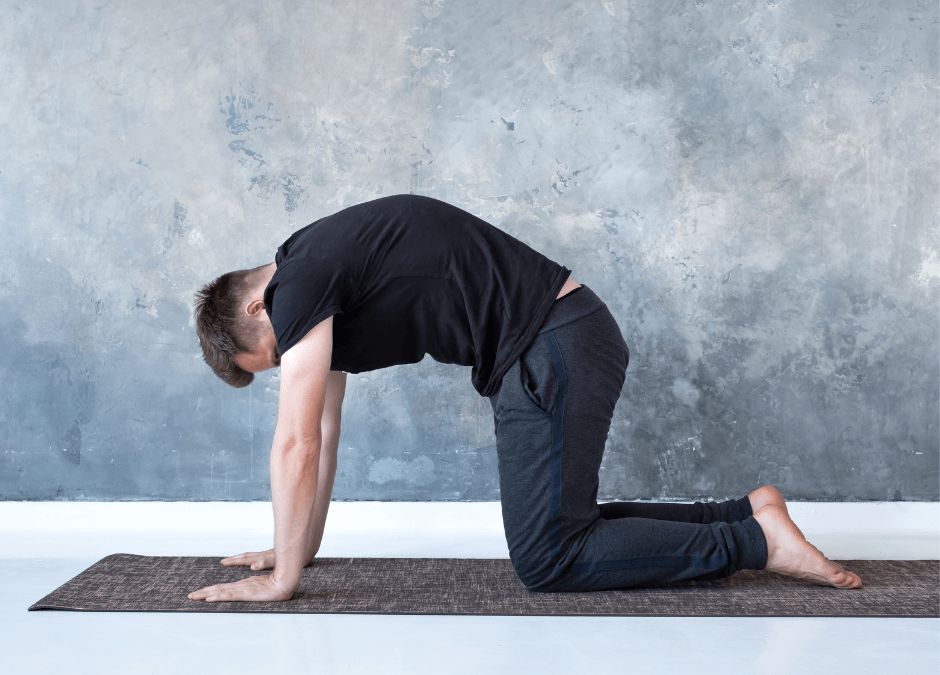
- Gentle Lumbar Mobility (Cat-Cow)
This movement promotes spinal mobility without excessive strain.
How to perform:
• Start on hands and knees
• Slowly round your back upward
• Then gently arch in the opposite direction
• Move within a comfortable range
• Perform 8–10 slow repetitions
Why it helps: Encourages controlled movement and reduces stiffness.
- McGill Curl-Up (Modified Core Endurance)
Unlike traditional sit-ups, this variation minimizes spinal load.
How to perform:
• Lie on your back with one knee bent
• Place hands under your lower back to maintain neutral spine
• Lift your head and shoulders slightly without flattening your back
• Repeat 5–8 times
Why it helps: Improves core endurance without excessive spinal flexion.
- Bird Dog
A staple in spine stabilization programs.
How to perform:
• Start on hands and knees
• Extend opposite arm and leg
• Keep hips level and spine neutral
• Hold for 5–10 seconds
• Repeat 5–8 times per side
Why it helps: Enhances coordination and posterior chain stability.
- Glute Bridges
Strong glutes reduce strain on the lumbar spine.
How to perform:
• Lie on your back with knees bent
• Press through your heels
• Lift hips while keeping ribs down
• Hold for 3–5 seconds
• Perform 10 repetitions
Why it helps: Improves hip extension strength and pelvic control.
- Walking
Often overlooked but highly effective.
Start with 5–10 minutes and gradually increase. Walking improves circulation, reduces stiffness, and promotes recovery without excessive spinal loading.
Exercises to Avoid (At Least Early On)
While every case is different, certain movements commonly aggravate symptoms, especially during flare-ups:
• Repeated heavy deadlifts or loaded spinal flexion
• Full sit-ups or toe touches if flexion-sensitive
• Deep lumbar extension if extension-sensitive
• High-impact movements during acute pain
• “Pushing through” sharp or worsening pain
It’s important to distinguish between mild discomfort (which can be normal during rehab) and worsening pain that lingers after activity. When in doubt, modify or consult your physiotherapist.
Why One-Size-Fits-All Doesn’t Work
Low back pain isn’t a single diagnosis. It may involve:
• Disc irritation
• Facet joint sensitivity
• Muscular strain
• Nerve-related pain
• Movement coordination issues
• Psychosocial contributors
That’s why a thorough assessment matters. The most effective programs are individualized, progressive, and adapted as symptoms change.
When to Seek Physiotherapy
You should consider an assessment if:
• Pain persists longer than 1 week
• Symptoms are recurring
• Pain is limiting daily activities
• You’re unsure which exercises are safe
• You want to prevent future flare-ups
We can identify movement patterns contributing to pain and design a structured rehabilitation plan that restores confidence and function.
The right exercises can significantly reduce low back pain and lower the risk of recurrence. The key is controlled, progressive movement, not aggressive stretching or extreme core workouts.
Struggling with low back pain or unsure which exercises are right for you?
Our team specializes in evidence-based assessment and personalized rehabilitation programs designed to get you moving safely and confidently. Book an appointment today and take the first step toward a stronger, pain-free back.
References:
Airaksinen, O., Brox, J. I., Cedraschi, C., et al. (2006). European guidelines for the management of chronic nonspecific low back pain. European Spine Journal, 15(Suppl 2), S192–S300.
Foster, N. E., Anema, J. R., Cherkin, D., et al. (2018). Prevention and treatment of low back pain: Evidence, challenges, and promising directions. The Lancet, 391(10137), 2368–2383.
McGill, S. M. (2016). Low back disorders: Evidence-based prevention and rehabilitation (3rd ed.). Human Kinetics.
Qaseem, A., Wilt, T. J., McLean, R. M., & Forciea, M. A. (2017). Noninvasive treatments for acute, subacute, and chronic low back pain: A clinical practice guideline. Annals of Internal Medicine, 166(7), 514–530.
Shiri, R., & Falah-Hassani, K. (2017). Does leisure time physical activity protect against low back pain? European Journal of Pain, 21(6), 1131–1142.
World Health Organization. (2023). Low back pain fact sheet. https://www.who.int/news-room/fact-sheets/detail/low-back-pain
