
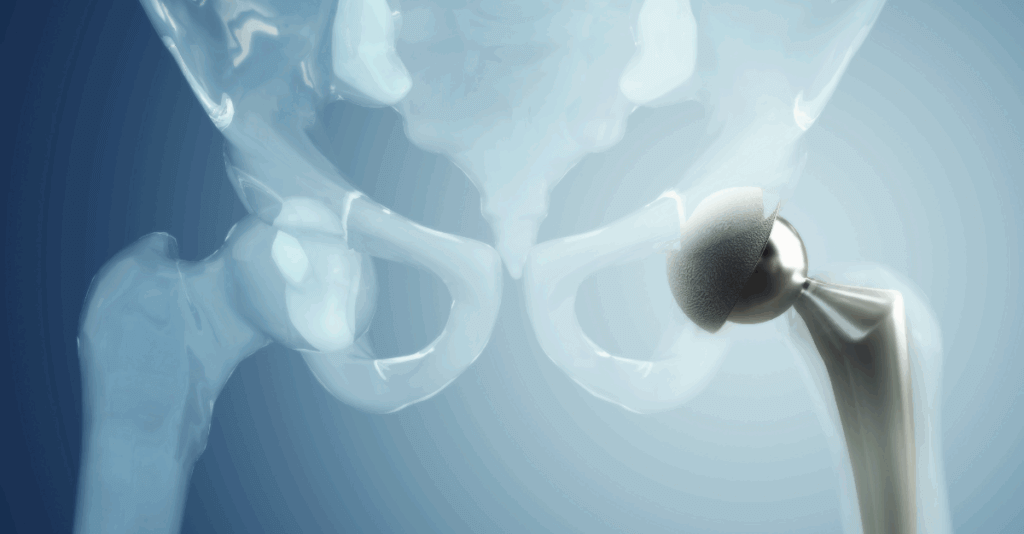
Joint replacement surgery can be life-changing for individuals experiencing chronic joint pain and limited mobility. However, the surgery itself is only the beginning of the healing process. True recovery takes place during rehabilitation, where physiotherapy plays a central role in helping patients restore strength, mobility, and confidence in their new joint.
Why Physiotherapy Matters After Joint Replacement Surgery
Physiotherapy is essential after joint replacement surgery because it supports safe healing, enhances strength, and helps restore full joint function. It also minimizes the risk of complications such as stiffness or blood clots. Research shows that starting physiotherapy early, often within 24 hours post-surgery, can lead to shorter hospital stays and improved outcomes.
Many clinics now offer prehabilitation, or “prehab,” which is a program designed to prepare the body for surgery. This typically includes exercises to improve strength, flexibility, and mobility. Being physically prepared before surgery often results in a smoother and faster recovery afterwards.
The Recovery Journey: Phase by Phase
Phase 1: Immediate Recovery
During this initial phase, the focus is on managing pain and swelling while learning safe movement techniques. Patients typically begin gentle exercises such as ankle pumps, leg lifts, and assisted bed mobility. Most individuals start standing and walking with assistance within the first day after surgery. A physiotherapist will provide guidance on how to move safely and prevent complications like blood clots or joint stiffness.
Phase 2: Early Rehabilitation
In this stage, patients begin active range of motion exercises and light strengthening activities. Physiotherapists help improve walking patterns and reduce reliance on assistive devices. Patients also work on regaining the ability to perform everyday activities, such as sitting, standing, and climbing stairs. Flexibility and mobility of the affected joint, especially the knee or hip, are key focuses during this time.
Phase 3: Strengthening and Functional Recovery
This phase is centered on rebuilding strength through the use of resistance bands, weights, or gym equipment. Patients also work on improving their balance, coordination, and walking mechanics. Functional tasks such as lunges and step-ups are introduced to help patients return to normal daily activities. By the end of this stage, most individuals are more independent in their movements.
Phase 4: Return to Full Activity
The final phase focuses on regaining long-term strength, endurance, and confidence. Patients may resume recreational activities, hobbies, and in some cases, low-impact sports. Continuing with a regular exercise program is important to maintain progress and support long-term joint health. The goal is for patients to achieve full independence and return to their preferred lifestyle.
Common Challenges During Recovery
Patients may face several challenges during recovery. Pain or stiffness can sometimes slow progress, and swelling or muscle weakness may interfere with exercise. It is normal for recovery to include both good days and setbacks. Consistency and communication with the physiotherapist are vital for ongoing improvement. The rehabilitation plan should be adjusted as needed to keep progress on track.
Tips for a Successful Recovery After Joint Replacement Surgery
To achieve the best outcomes, patients should follow their exercise program closely and attend all scheduled physiotherapy appointments. Pain should be used as a guide; it is okay to feel some discomfort, but sharp or worsening pain should be avoided. Managing swelling through ice, elevation, and regular movement can support healing. Proper nutrition, hydration, and rest are also important factors in recovery. Patients are encouraged to ask questions and maintain open communication with their healthcare team.
Recovering from joint replacement surgery requires time, effort, and a dedicated support system. Physiotherapy provides the structure and expertise needed to guide patients through each stage of recovery. With consistent effort and the right guidance, most individuals can expect to regain mobility and return to a more active, pain-free life. Trust the process, be patient with yourself, and take each step forward with confidence. Call us to schedule your consultation today (416) 207-9395.
