
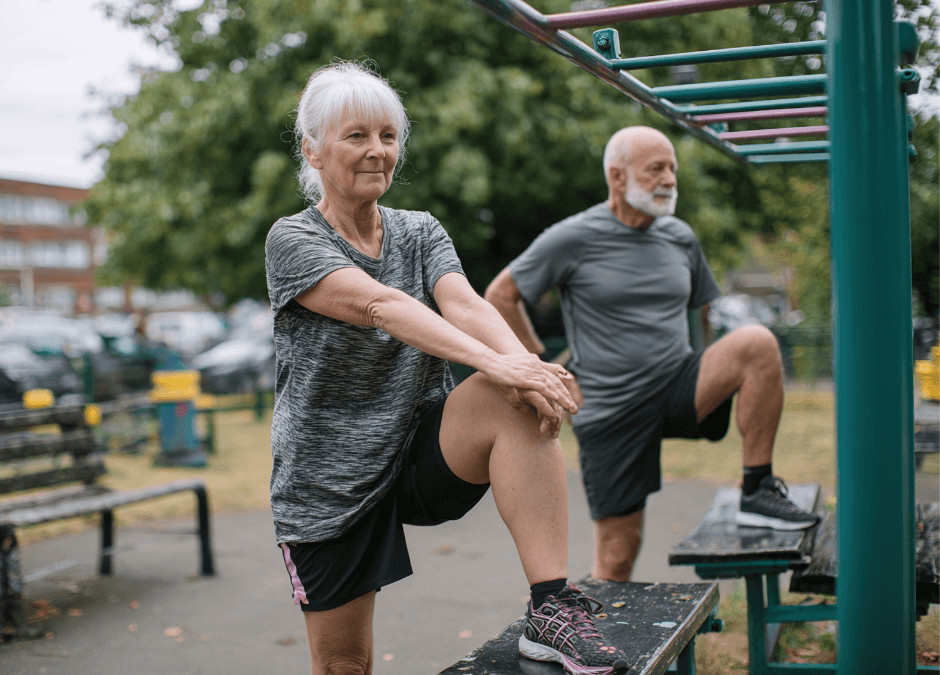
Many people assume that losing mobility is just part of getting older. Stiff joints, slower walking speed, difficulty getting up from a chair, or feeling unsteady are often brushed off as “normal aging.” While aging does bring physiological changes, significant loss of mobility is not inevitable, and it is often preventable or reversible with the right approach.
As physiotherapists, we see this every day. Individuals who believe decline is unavoidable often experience meaningful improvements once the real causes of mobility loss are addressed. Understanding what is actually happening in the body, and what you can do about it, can be the difference between increasing limitations and maintaining independence for years to come.
What Mobility Really Means (And Why It Matters)
Mobility is more than just flexibility. It is the ability to move safely, efficiently, and confidently through daily life. This includes walking without fear of falling, getting up from a chair or out of bed, climbing stairs, reaching and bending, and maintaining balance during everyday tasks.
When mobility declines, it does not just affect physical function. It impacts confidence, independence, social participation, and overall quality of life. Reduced mobility is also associated with higher fall risk, chronic pain, and long-term disability.
The good news is that mobility is influenced by factors we can change.
Why Mobility Declines With Age (It’s Not Just Age)
Aging itself does cause gradual changes in muscle mass, joint health, reaction time, and connective tissue elasticity. However, the biggest drivers of mobility loss are often lifestyle and health-related, not simply the number of years lived.
Muscle Loss and Weakness
After the age of 30, adults can lose muscle mass gradually each decade, especially if strength training is not part of their routine. Weak muscles reduce joint support, balance, and the power needed for everyday movements.
Reduced Joint Mobility
Joints thrive on movement. Long periods of inactivity, pain avoidance, or repetitive habits can lead to stiffness, reduced range of motion, and inefficient movement patterns.
Poor Balance and Coordination
Balance relies on strength, vision, inner ear function, and nervous system input. Without regular challenge, balance systems weaken, increasing the risk of falls.
Pain and Injury History
Previous injuries, arthritis, or unresolved pain often cause people to move less. Over time, this reinforces stiffness, weakness, and further mobility loss.
Sedentary Lifestyle
Extended sitting is one of the strongest predictors of mobility decline, regardless of age. Even people who exercise can experience mobility issues if most of their day is spent sitting.
None of these factors are unavoidable consequences of aging, and all are areas where physiotherapy can help.
The Myth of “Just Slow Down”
One of the most harmful beliefs about aging is the idea that slowing down and avoiding movement will protect the body. In reality, avoiding movement often accelerates decline.
When movement decreases, muscles weaken faster, joints become stiffer, balance deteriorates, and confidence drops. This creates a cycle where fear of movement leads to further limitation. Physiotherapy works to break this cycle safely and progressively.
How Physiotherapy Addresses Mobility Loss
Physiotherapy focuses on restoring function, strength, and confidence, not just treating symptoms. A comprehensive approach to mobility loss often includes several key components.
Individualised Strength Training
Targeted strength exercises help rebuild muscle mass, particularly in the legs, hips, and core. These areas are essential for walking, balance, and transfers. Strength training is safe and effective at any age when properly guided.
Joint Mobility and Flexibility Work
Gentle, controlled movement improves joint range of motion and reduces stiffness. Manual therapy may be used to support joint mobility where appropriate.
Balance and Fall Prevention Training
Balance exercises challenge the nervous system and improve reaction time. This type of training has been shown to significantly reduce fall risk and improve confidence in daily activities.
Gait and Movement Retraining
Walking patterns often change gradually over time. Physiotherapists assess gait mechanics and retrain efficient and safe movement strategies.
Pain Management Without Avoidance
Rather than encouraging long periods of rest, physiotherapy addresses pain while promoting appropriate movement. This allows tissues to adapt and recover instead of deteriorating.
Everyday Signs Mobility Needs Attention
Many people wait until mobility loss is severe before seeking help. Early signs that physiotherapy may be beneficial include difficulty standing up from low chairs, stiffness after sitting or sleeping, needing hand support for balance, avoiding stairs or uneven surfaces, slower walking speed, or fear of falling.
Addressing these signs early can prevent more serious problems later.
What You Can Do Right Now to Protect Mobility
You do not need to wait for major limitations to take action. Small, consistent changes can make a significant difference over time.
Move more throughout the day. Frequent movement is often more important than occasional intense exercise. Standing up regularly, walking short distances, and changing positions help joints and muscles stay active.
Strengthen, not just stretch. Flexibility alone is not enough. Strength supports joints, improves balance, and helps maintain independence, especially when focusing on the legs, hips, and core.
Challenge your balance safely. Simple activities such as standing on one leg with support nearby, walking on uneven surfaces, or practising direction changes can improve balance capacity.
Address pain early. Pain is a signal, not a stop sign. Early assessment can prevent compensations that lead to further decline.
Seek professional guidance. A physiotherapist can identify hidden weaknesses and inefficient movement patterns before they become disabling.
Mobility and Independence as a Long-Term Investment
Maintaining mobility is not about pushing harder. It is about moving smarter. Research consistently shows that adults who stay physically active and engage in strength and balance training maintain independence longer, regardless of age.
Physiotherapy helps individuals stay active without fear, recover faster from setbacks, maintain confidence in movement, and continue doing the activities they enjoy.
Loss of mobility is not an unavoidable part of aging. In many cases, it is a sign that the body needs the right type of support.
The Takeaway
Aging may change the body, but it does not automatically mean losing the ability to move well. Mobility is adaptable at every stage of life. With appropriate guidance, targeted exercise, and proactive care, it is possible to remain strong, steady, and independent for decades.
If you or someone you care for is noticing changes in mobility, a physiotherapy assessment can be a powerful first step toward restoring movement and confidence in everyday life.
References:
American College of Sports Medicine. (2019). ACSM’s guidelines for exercise testing and prescription (10th ed.). Wolters Kluwer.
Centers for Disease Control and Prevention. (2023). Physical activity and aging.
Cruz-Jentoft, A. J., et al. (2019). Sarcopenia: Revised European consensus on definition and diagnosis. Age and aging, 48(1), 16–31.
Liu, C. J., & Latham, N. K. (2009). Progressive resistance strength training for improving physical function in older adults. Cochrane Database of Systematic Reviews, (3), CD002759.
Sherrington, C., et al. (2017). Exercise to prevent falls in older adults. British Journal of Sports Medicine, 51(24), 1750–1758.
World Health Organization. (2020). Guidelines on physical activity and sedentary behaviour.
