
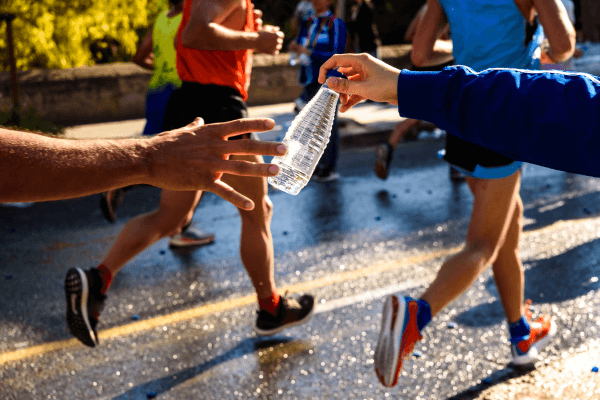
Staying hydrated is crucial for overall health, but its significance becomes even more pronounced during the hot summer months. Proper hydration is not just about quenching thirst; it’s about maintaining the balance of fluids vital for numerous bodily functions. For those actively engaging in physical activities, particularly during summer, the importance of hydration extends to ensuring optimal joint and muscle health. In this blog, we want to emphasize the critical role of hydration in maintaining and improving your joint and muscle function, especially when temperatures rise.
The Importance of Hydration for Joint and Muscle Health
Our bodies are composed of about 60% water, making it an essential component for various physiological functions. Water is crucial for:
- Temperature Regulation: Sweating and respiration help in maintaining body temperature.
- Digestion and Nutrient Absorption: Water aids in breaking down food and absorbing nutrients.
- Detoxification: It helps in the removal of waste products through urine, sweat, and bowel movements.
- Lubrication and Cushioning: Water is integral in lubricating joints and protecting sensitive tissues.
- Cognitive Function: Adequate water intake helps improve concentration, alertness, and short-term memory, ensuring your brain operates at its best.
How Hydration Affects Joints
Joints are the connections between bones that allow movement and flexibility. They are surrounded by a membrane called the synovial membrane, which produces synovial fluid. This fluid acts as a lubricant, reducing friction between the cartilage of synovial joints during movement. Proper hydration is essential for maintaining the viscosity and volume of synovial fluid, thereby ensuring smooth and pain-free joint movements.
Dehydration and Joints:
- Reduced Synovial Fluid: Dehydration can lead to a decrease in synovial fluid, causing increased friction and wear on the joint cartilage.
- Joint Stiffness: Lack of sufficient lubrication can result in joint stiffness, making movements painful and difficult.
- Increased Risk of Injury: Dehydrated joints are more susceptible to injuries such as sprains and strains due to the lack of cushioning and support.
How Hydration Affects Muscles
Muscles are about 75% water, and they rely on hydration to maintain their function and health. Water is essential for:
- Nutrient and Oxygen Delivery: Blood, which is composed largely of water, transports nutrients and oxygen to muscles.
- Waste Removal: Hydration aids in removing metabolic waste products produced during muscle activity.
- Temperature Regulation: Sweating helps in cooling down muscles during exercise.
- Muscle Contraction and Relaxation: Water is vital for maintaining the balance of electrolytes, which are essential for muscle contraction and relaxation.
Dehydration and Muscles:
- Muscle Cramps: Dehydration can cause an imbalance in electrolytes, leading to muscle cramps and spasms.
- Fatigue and Weakness: Insufficient hydration can result in early fatigue and decreased muscle strength and endurance.
- Delayed Recovery: Dehydration slows down the process of muscle recovery and repair, increasing the risk of injuries.
Tips for Staying Hydrated in Hot Weather
Maintaining proper hydration can be challenging during the summer due to increased fluid loss through sweating. Here are some practical tips to ensure you stay adequately hydrated:
- Drink Plenty of Water: Aim to drink at least 8-10 glasses of water a day. Increase this amount if you are engaging in physical activities or spending extended periods outdoors.
- Monitor Your Urine: A simple way to check your hydration status is by observing the color of your urine. Light yellow indicates proper hydration, while dark yellow or amber suggests dehydration.
- Eat Hydrating Foods: Incorporate fruits and vegetables with high water content into your diet. Examples include watermelon, cucumber, oranges, and strawberries.
- Avoid Sugary and Caffeinated Beverages: Drinks high in sugar and caffeine can increase fluid loss. Opt for water, herbal teas, or diluted fruit juices instead.
- Set Reminders: Use alarms or smartphone apps to remind you to drink water regularly, especially if you tend to forget.
- Carry a Water Bottle: Always have a reusable water bottle with you, making it easy to sip throughout the day.
Physiotherapy Tips for Good Joint Health
Maintaining joint health is not just about staying hydrated. Here are some physiotherapy tips to ensure your joints remain healthy and functional:
- Regular Exercise: Engage in low-impact exercises such as swimming, cycling, and walking to strengthen the muscles around your joints without putting excessive strain on them. Incorporate flexibility exercises like yoga and stretching to maintain joint flexibility.
- Proper Posture: Maintain good posture while sitting, standing, and lifting. Poor posture can lead to joint stress and discomfort.
- Strength Training: Include strength training exercises in your routine to build muscle strength, which helps support and protect your joints.
- Healthy Weight: Maintain a healthy weight to reduce the stress on weight-bearing joints like the knees and hips. Excess weight can accelerate joint wear and lead to conditions such as osteoarthritis.
- Warm-Up and Cool-Down: Always warm up before engaging in physical activities and cool down afterward. This helps prepare your joints and muscles for exercise and aids in recovery.
- Use Joint Protection Techniques: When lifting or carrying objects, use proper techniques to avoid putting excessive stress on your joints and muscles. This includes lifting with your legs instead of your back and avoiding twisting motions while carrying heavy items.
- Listen to Your Body: Pay attention to any signs of joint pain or discomfort. If you experience persistent pain, swelling, or stiffness, it’s essential to consult a healthcare professional.
.
Hydration is a key component of maintaining healthy joints and muscles, particularly during the hot summer months. By ensuring adequate fluid intake, you can support the production of synovial fluid, improve muscle function, and enhance overall physical performance. Alongside hydration, incorporating physiotherapy tips such as regular exercise, proper posture, and strength training can significantly contribute to joint health.
At Life Force Physiotherapy, we are committed to helping you achieve optimal joint and muscle health through comprehensive care and personalized treatment plans. If you have concerns about your joint or muscle health, or if you need guidance on staying hydrated and maintaining an active lifestyle during the summer, don’t hesitate to reach out to us!
