
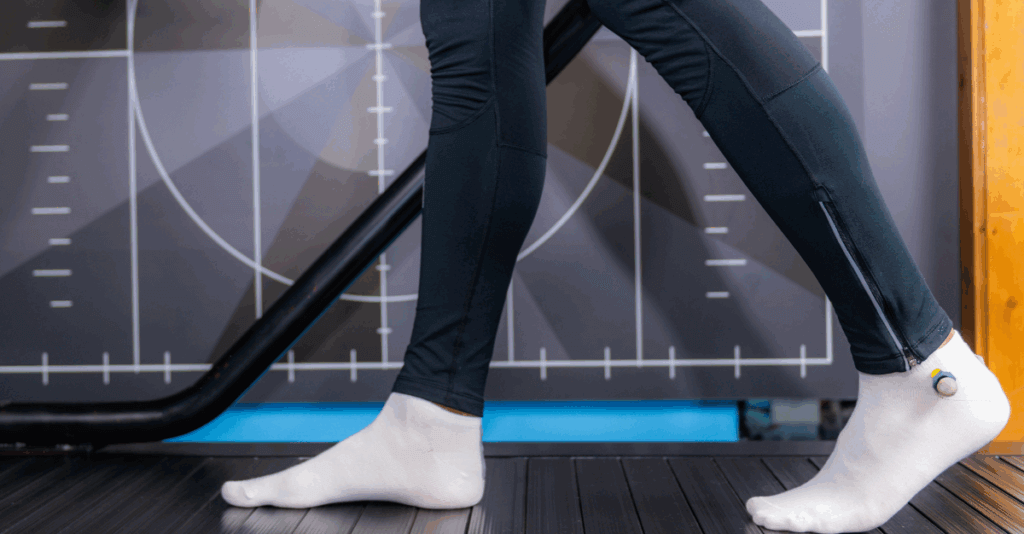
Walking might seem like the simplest thing we do – one foot in front of the other. But beneath this everyday action lies a complex series of coordinated movements involving every major joint and muscle group in the body. When your walking pattern, or gait, is off, even slightly, it can set off a chain reaction of pain, fatigue, and dysfunction from head to toe.
Let’s explore the biomechanics of walking, why gait matters, and how physiotherapy can help restore healthy, efficient movement.
What Is Gait, and Why Does It Matter?
Gait refers to the pattern of movement during walking or running. It involves multiple phases – heel strike, mid-stance, toe-off, and swing. Each phase requires a precise balance of joint mobility, muscular strength, and neuromuscular control.
A healthy gait:
- Distributes forces evenly through your joints
- Prevents overuse injuries
- Conserves energy
- Supports proper posture and balance
When this pattern is disrupted, even subtly, the rest of the body compensates. Over time, this can lead to pain and dysfunction in areas far from the original problem.
The Body-Wide Effects of Poor Gait Mechanics
1. Foot and Ankle Dysfunction
Misalignments in the feet, like overpronation (rolling in) or supination (rolling out), alter the entire kinetic chain. They can cause:
- Plantar fasciitis
- Achilles tendinopathy
- Ankle instability
2. Knee Pain and Instability
The knee is heavily influenced by what happens at the foot and hip. Poor foot mechanics or weak hips often lead to:
- Patellofemoral pain syndrome
- IT band syndrome
- Meniscus irritation
3. Hip and Pelvic Imbalance
Uneven gait can overload one side of the pelvis, causing:
- Hip bursitis
- Gluteal tendinopathy
- Lower back pain due to pelvic tilt
4. Low Back Strain
The lower back absorbs shock from each step. Gait asymmetries, leg length discrepancies, or stiff hips can increase lumbar stress, often resulting in:
- Chronic low back pain
- Lumbar disc issues
5. Neck and Shoulder Tension
Compensatory patterns can travel all the way up the body. For example, someone who limps might overuse their arms or shrug their shoulders for balance. This leads to:
- Postural strain
- Shoulder tightness
- Headaches
Common Causes of Gait Abnormalities
Gait abnormalities can stem from a variety of factors, including:
- Past injuries (e.g., sprained ankle, knee surgery)
- Muscle imbalances or weakness
- Joint stiffness or arthritis
- Poor footwear or walking surfaces
- Neurological conditions (e.g., stroke, Parkinson’s)
- Sedentary lifestyle or poor postural habits
Even subtle changes—like limping to protect an old injury—can become ingrained and affect your body long-term.
How Physiotherapy Assesses and Improves Gait
A physiotherapist is trained to evaluate gait mechanics in detail, using both visual assessment and tools like video gait analysis or pressure-sensitive treadmills. The goal is to identify inefficient or dysfunctional patterns, then create a personalized treatment plan.
Gait assessment often includes:
- Observation of walking pattern, posture, and foot placement
- Joint range-of-motion and flexibility testing
- Muscle strength and balance evaluation
- Footwear and orthotic review
Physiotherapy Treatment Strategies May Include:
- Targeted strengthening (e.g., glutes, calves, core)
- Stretching tight structures (e.g., hip flexors, hamstrings)
- Balance and proprioception training
- Manual therapy to improve joint mobility
- Retraining movement patterns through functional exercises
- Footwear advice or custom orthotic referral if needed
When to Seek a Gait Assessment
You may benefit from a gait analysis if you experience:
- Chronic pain in your knees, hips, or lower back
- Frequent ankle sprains or foot pain
- Uneven wear on shoes
- Poor posture or balance
- Fatigue or heaviness when walking
- Recent surgery or injury affecting the lower body
Even if you’re not in pain, optimizing your gait can enhance performance, reduce injury risk, and improve energy efficiency—whether you’re walking the dog or running a marathon.
Small Steps, Big Impact
Walking is foundational to how we move, yet it’s often overlooked until problems arise. Because it involves your entire body, gait issues rarely stay localized. The good news? With the right physiotherapy approach, you can restore efficient movement, reduce pain, and prevent future injury.
If you’re noticing changes in your walking pattern—or simply want to improve the way you move—consider booking an assessment with us. It’s one of the most valuable investments you can make in your long-term mobility and quality of life.
Call 416-207-9395 or book online !
