
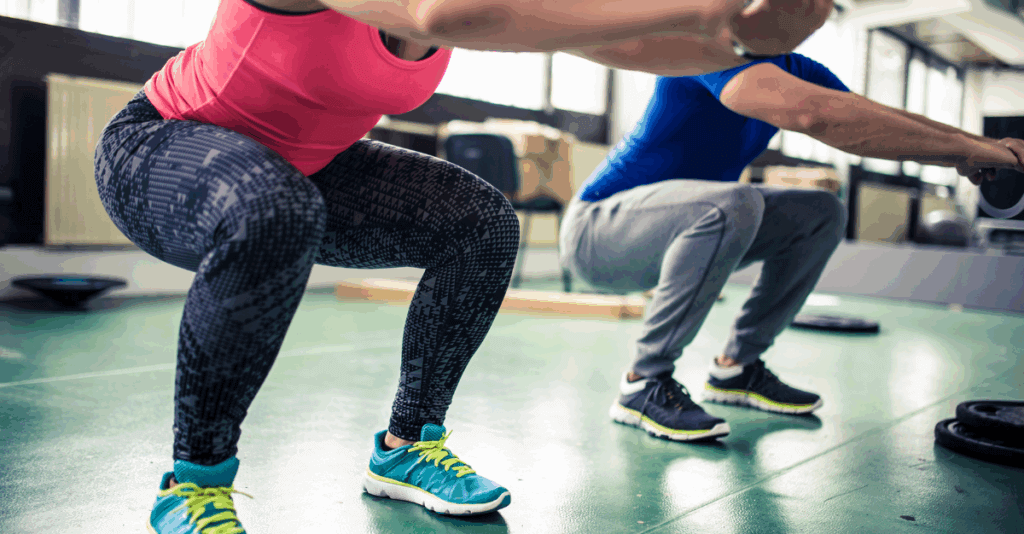
Squatting is a fundamental movement in daily life, essential for activities like sitting, standing, and lifting. But when your knees start to crack, pop, or hurt during a squat, it can be alarming and uncomfortable. These sensations might seem harmless at first, but they can also be early warning signs of underlying issues that shouldn’t be ignored. Understanding the common causes and knowing when to seek help can make all the difference in maintaining healthy, pain-free knees.
Patellofemoral Pain Syndrome (PFPS)
Patellofemoral Pain Syndrome, often referred to as “runner’s knee,” is one of the most common culprits behind knee discomfort during squats. This condition involves pain around or beneath the kneecap, typically caused by improper tracking of the patella over the femur. The discomfort usually develops gradually and may be accompanied by cracking, popping, or grinding sounds during movement. People often notice increased pain while climbing stairs, sitting for long periods, or, notably, during squats. Muscle imbalances, particularly weak quadriceps or tight structures like the iliotibial (IT) band, often contribute to this misalignment.
Common signs of PFPS include:
- Aching pain behind or around the kneecap
- Grinding or popping sensations during movement
- Discomfort when sitting for long periods or during stairs/squats
Iliotibial (IT) Band Syndrome
The IT band runs along the outside of the thigh and can become tight or inflamed, especially in individuals who engage in repetitive activities like running or squatting. When the IT band rubs against the outside of the knee, it can cause sharp or burning pain and may be accompanied by a snapping sensation. This condition is commonly triggered by overuse, poor biomechanics, or muscle imbalances around the hips and thighs.
Key symptoms of IT band syndrome include:
- Sharp or burning pain on the outer knee
- Snapping or popping sensation during bending or squatting
- Increased pain with repetitive lower body movements
Meniscus Tears and Cartilage Damage
Meniscus tears and cartilage damage are more serious concerns that can also result in popping or locking sensations in the knee. The meniscus is a C-shaped piece of cartilage that cushions the knee joint, and it can be torn during deep squats or sudden movements.
Signs you might have a meniscus issue include:
- Sharp, localized pain
- Swelling following activity
- Clicking, locking, or catching of the joint
Quadriceps Imbalance and Weakness
Quadriceps imbalances and general weakness are additional contributors to knee issues during squatting. The quadriceps muscle group plays a key role in stabilizing the knee joint. When certain parts of the quadriceps, such as the vastus medialis oblique (VMO), are underdeveloped compared to others like the vastus lateralis, it can lead to improper tracking of the kneecap.
Common features of quad imbalance include:
- Discomfort or uneven pressure during squats
- Cracking or gliding sensations in the kneecap
- Visual differences in muscle tone or strength
Osteoarthritis and Degenerative Changes
For some individuals, knee sounds and discomfort during squats may be linked to osteoarthritis or other degenerative conditions. As the cartilage in the joint wears down, it can lead to crepitus—a grating or crackling sound—along with stiffness and swelling.
Look out for these symptoms of joint degeneration:
- Persistent stiffness or swelling
- Grating sounds with movement
- Decreased range of motion over time
When Should You Be Concerned About Knee Pain?
While occasional knee cracking without pain is usually harmless, certain symptoms should prompt you to seek professional help:
- Pain that is sharp or persistent
- Swelling, warmth, or redness around the joint
- Instability, giving way, or locking
- Pain that limits daily activity or worsens over time
What to Expect at a Physiotherapy Assessment
During a physiotherapy assessment, your provider will conduct a detailed evaluation to determine the root cause of your symptoms. This may include:
- Observing your squat technique to check alignment
- Testing muscle strength and flexibility
- Performing special tests to assess joint integrity
- Recommending imaging if needed
Effective Physiotherapy Treatments
Physiotherapy treatments for knee pain during squats typically include:
- Strengthening exercises for the quadriceps, glutes, and hips
- Flexibility routines targeting the IT band, hamstrings, and calves
- Manual therapy like massage or foam rolling
- Taping techniques to improve patellar tracking
- Movement education to correct form and avoid flare-ups
Activity modification may also involve:
- Reducing squat depth temporarily
- Altering workout frequency or intensity
- Cross-training with lower-impact movements
Home Strategies to Support Recovery
To support healing and reduce discomfort at home, try these approaches:
- Apply ice after squatting or exercising
- Use foam rollers to release tight muscles
- Perform basic hip and quad strengthening exercises
- Stretch the calves, hamstrings, and IT band
- Avoid sudden increases in exercise intensity
Take Action Early for Lasting Relief
Ultimately, the goal is to restore comfortable, efficient movement and prevent the recurrence of knee pain. With the right treatment plan, most people can return to squatting and other activities without pain. However, early intervention is key. If you’re experiencing knee discomfort during squats, don’t wait for it to become a bigger problem. We can help you identify the root cause, correct movement patterns, and build strength where it’s needed most. Contact us today at 416-207-9395 to book your assessment.
