
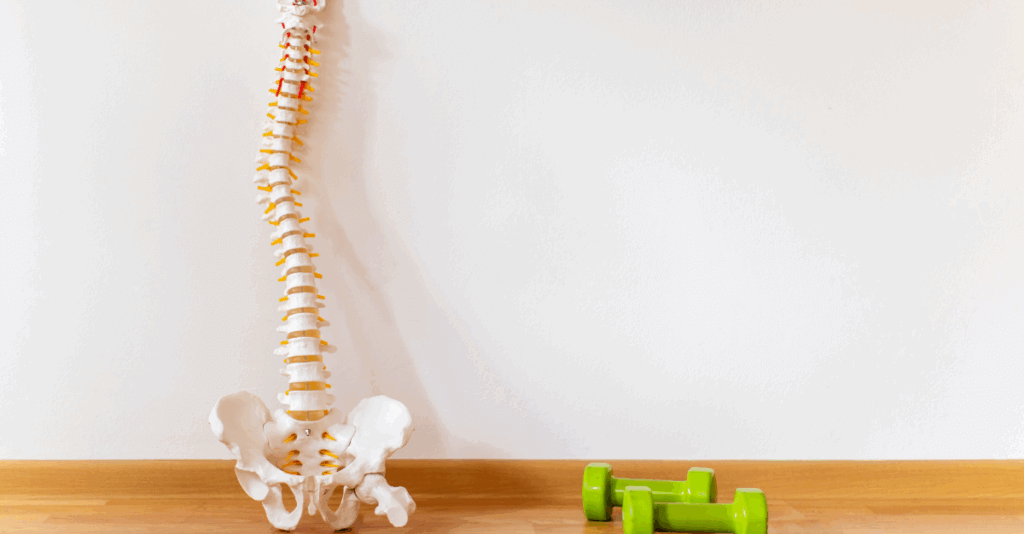
Your spine is the central pillar of your body—supporting movement, enabling flexibility, and connecting your upper and lower halves. A healthy spine means less pain, better posture, and more freedom to enjoy life. Whether you’re desk-bound, on your feet all day, or an avid exerciser, a few smart strategies go a long way in preserving spinal health.
Start with Smart Movement & Targeted Exercises
Core Stability: The Foundation of Spinal Health
The Big Three— forward plank, side plank, and bird-dog—are highly recommended for building spine stability. These exercises work the entire core, your abdominals, back, and hips, ensuring your trunk works as a coordinated unit. Let’s discuss what is the best version of these exercises is for you.
The bridge strengthens glutes and hips, a key support system for your spine, while the plank activates deep trunk muscles.
Physiotherapy: Your Personalized Blueprint.
From guided exercise to posture correction and flexibility training, physiotherapy offers a roadmap to alleviate back pain and reinforce spinal function. It can deliver an improvement in symptoms, addressing the entire kinetic chain, from core muscles to legs and hips.
Aerobic & Lumbar Stabilizing Movements.
Low-impact cardiovascular activities, like brisk walking, swimming, or cycling, enhance circulation to spinal tissues, reducing stiffness and pain. Stability-focused exercises such as hamstring stretches, squats, pelvic tilts, lunges, and plank variations support muscular balance around the spine.
Recovery, Mindfulness & Lifestyle Fundamentals
Avoid Prolonged Rest, Move Gently Instead.
While brief rest can help during acute pain flare-ups, extended inactivity tends to worsen back issues. Early movement combined with active rehabilitation supports healing and functional recovery.
Mind-Body Techniques & Endorphin Activation.
Exercises that raise endorphin levels, like aerobic activity, meditation, and massage, can help block pain signals and ease associated anxiety or depression. Mindfulness and cognitive behavioral approaches empower patients to reinterpret pain and manage discomfort better.
Prioritize Restorative Sleep.
Quality sleep is essential for tissue repair and pain management. Poor sleep and chronic pain often form a vicious cycle. Addressing either issue can help break this loop and support spinal health.
Heat, Ice & Recovery Tactics for Your Spine
Use Cold / Heat.
For acute back pain or injury, cold therapy, like ice packs for 10 minutes every couple of hours, helps reduce inflammation and numb pain. Once swelling and inflammation diminishes, transition to heat to improve blood flow, relax muscles, and support healing.
Chronic Pain? Go Low and Slow with Heat.
Persistent, long-lasting back pain benefits from continuous, gentle warmth, think warming blankets or adhesive heat wraps that deliver sustained comfort.
Diet, Ergonomics & Natural Aids
Nutrition & Anti-Inflammatory Drinks.
Certain natural remedies can complement therapy.
Ergonomics & Postural Mindfulness.
Proper posture during sitting, standing, and lifting is essential. Keep your back supported, feet grounded, and avoid leaning forward. When lifting, hinge at the knees, not your back, and maintain a straight trajectory.
For neck and upper spine health, align your ears with your shoulders and use supportive tools (like long-handled gardening tools or ergonomic office setups) to reduce strain.
Everyday Habits That Support Spine Health
- Active breaks: If you sit a lot, stand up and move around regularly.
- Maintain a healthy weight: Reduces loading on spinal structures.
- Find joy in low-impact movement: Dancing, walking, and swimming all can increase endorphins and spine-friendly activity.
- Stretch hamstrings twice a day: Tight hamstrings strain the lower back. Gentle 15–30 second holds can help relieve tension.
Keeping your spine healthy revolves around strong, balanced core and back muscles, gentle movement rather than extended rest, strategic use of cold and heat therapy, lifestyle choices such as sleep and ergonomics, and connecting physical with mental well-being.
If back pain persists beyond a few days and limits your daily activities, spreads into your legs or causes numbness or weakness, or does not improve with movement or worsens despite conservative measures, consult a physiotherapist. We can rule out serious conditions and provide a tailored treatment plan. Call us to book your consultation (416) 207-9395.
